Gunpowder Shortage Forces Lexington Ammo Manufacturer to Close — What It Means for Shooters
Posted Dec 4, 2025
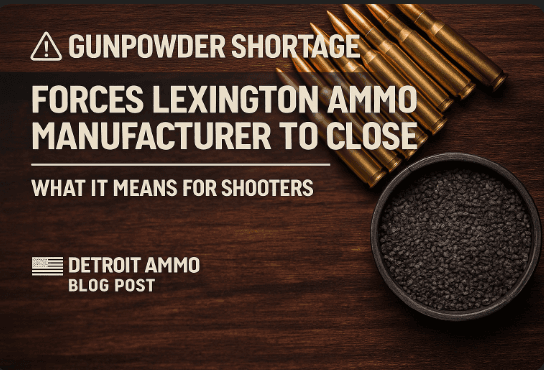
A major ammunition manufacturer in Lexington has officially ceased operations, citing an ongoing gunpowder shortage that’s been tightening the industry for months. The closure resulted in layoffs and a halt in production — but the ripple effect reaches far beyond a single facility.
For everyday shooters, reloaders, law enforcement departments, and distributors, this shutdown represents a bigger trend that deserves attention.
In this article, we break down why this is happening, how it impacts the ammo market, and what it means for pricing in the coming months.
🔥 Why Gunpowder Shortages Are Happening
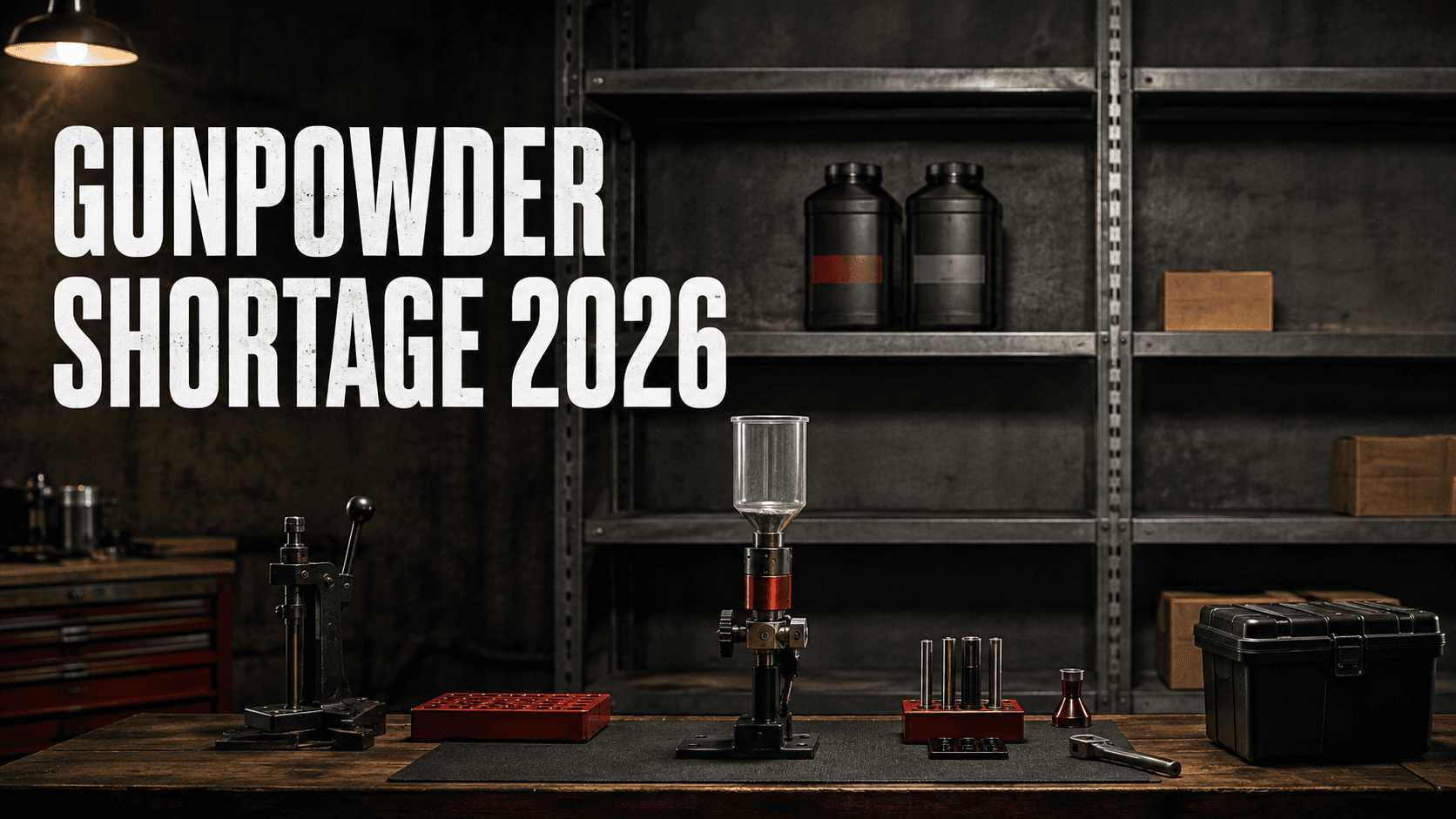
Gunpowder production is one of the most complex and heavily regulated segments of the ammunition supply chain. Unlike brass, bullets, or packaging, gunpowder cannot be quickly scaled or replaced with alternative imports.
Several key factors contribute to this shortage:
1. Limited number of domestic powder manufacturers
The U.S. has only a handful of facilities capable of producing high-volume smokeless powder. When one slows down — or shuts down — it creates an immediate bottleneck.
2. Increased civilian demand
More Americans are shooting, training, and stockpiling than ever before. Higher demand drains inventory faster than facilities can produce it.
3. Military and government contracting
When DoD contracts surge, civilian supply often shrinks. Government needs take priority — leaving commercial manufacturers fighting over the remaining material.
4. Regulatory and safety constraints
Powder plants can’t simply “add extra shifts.” Increasing output requires approvals, environmental compliance, chemical licensing, and safety audits.
When a powder supply tightens, the entire ammunition ecosystem feels it — fast.
📉 How the Lexington Closure Impacts the Ammo Market
The shutdown of an active ammunition producer removes a measurable amount of market output immediately. Even if you never bought their product directly, here’s why it matters:
Effect Why It Matters Less ammo entering the market Fewer rounds available across multiple calibers Higher competition for powder Remaining manufacturers pay more for materials Component costs may increase Powder, primers, and brass are all linked by demand Retail pricing may rise industry-wide Lower supply naturally pushes prices upward When one plant goes offline, others are forced to stretch their material further — or raise prices to compensate for scarcity.
This doesn’t mean panic — but it does mean planning is smart.
💬 What Detroit Ammo Is Doing to Stay Ahead
At Detroit Ammunition Company, we saw early signs of supply-chain tightening. To protect our customers, we have been:
✔ Securing gunpowder and components proactively
✔ Building inventory to buffer against national shortages
✔ Expanding in-house manufacturing to rely less on outside suppliers
✔ Keeping pricing stable wherever possible — even when markets shift
We believe shooters deserve transparency, education, and a stable supply — not uncertainty and sticker shock.
🧠 What Shooters Should Do Right Now
If shortages continue, prices are likely to rise in the coming months — especially for high-volume calibers. Here’s how you can stay ahead:
🔸 Stock up while availability is high
🔸 Watch component pricing trends
🔸 Consider bulk purchasing to stretch value
🔸 Follow Detroit Ammo for ongoing updates
Knowledge = buying power.
Final Thoughts
The Lexington plant closure is more than a headline — it’s a visible signal of how fragile the ammunition supply chain can be when a single component becomes scarce. The gunpowder shortage is real, and the industry is shifting because of it.
Detroit Ammo will continue monitoring the situation, investing in production capabilities, and keeping our customers informed every step of the way.
Stay stocked. Stay informed. Stay ready.
💥 Detroit Ammunition Company